Key Pointers:
- Sticky or oily stool often indicates problems digesting fat properly.
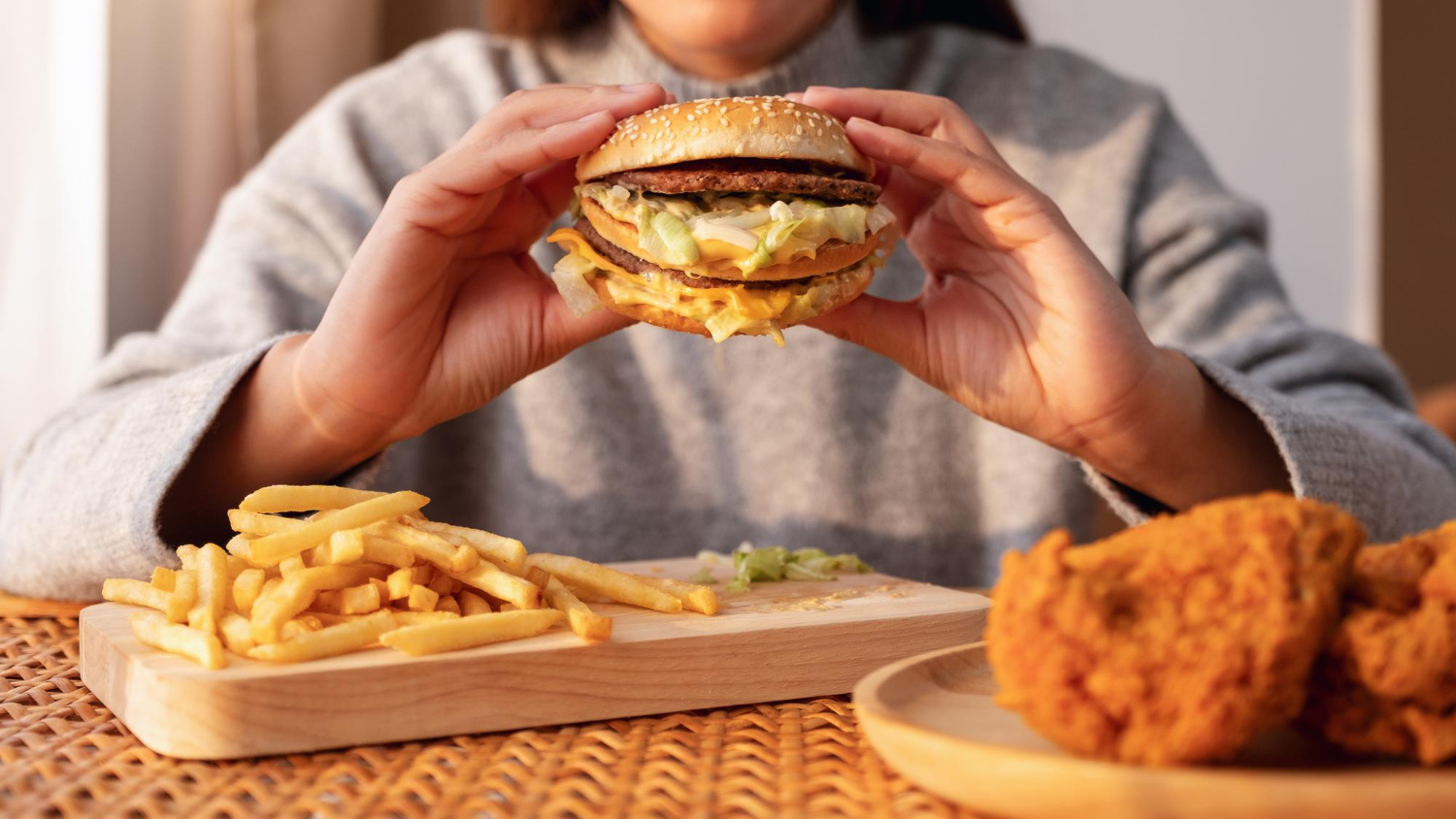
- Common dietary triggers include greasy meals, high-fat snacks, or fried food.
- The issue can sometimes point to problems with bile flow, gallbladder, or pancreas.
- A balanced diet with enough fibre and hydration supports healthy bowel movement.
- Persistent changes in stool consistency should be reviewed by a gastroenterologist.
What “Sticky Poop” Actually Means
Everyone’s bowel habits differ slightly, but stool that feels sticky, greasy, or difficult to flush may suggest that your body isn’t breaking down fat efficiently.
This can happen when too much fat is consumed, or when organs that help digest fat, such as the liver, gallbladder, or pancreas, aren’t functioning at their best. When fat remains undigested, it mixes with stool, giving it a shiny, sticky appearance and sometimes a stronger odour.
Why Fat Digestion Matters
The body relies on bile (produced by the liver and stored in the gallbladder) and pancreatic enzymes to break fat into smaller particles that can be absorbed. When this process is disrupted, stool consistency changes.
Common causes include:
- Fat-heavy diets: Frequent consumption of deep-fried or processed foods.
- Gallbladder issues: Reduced bile flow due to stones or inflammation.
- Pancreatic insufficiency: A lack of digestive enzymes that break down fat.
- Liver disorders: Reduced bile production affecting fat absorption.
How Your Diet Shapes Your Stool
Certain food choices can either support or strain your digestive system.
Foods that may make stool sticky or oily:
- Fried foods, creamy sauces, butter, and cheese in excess.
- Processed meats and high-fat snacks.
- Large, heavy meals eaten too quickly.
Foods that promote smooth digestion:
- Fruits and vegetables rich in fibre (e.g., papaya, spinach, apples).
- Whole grains and legumes to bulk up stool.
- Lean proteins such as fish or tofu.
- Sufficient water throughout the day.
Maintaining a balance, rather than cutting out all fats, is key. The body still needs healthy fats from sources like olive oil, nuts, and avocado.
When Sticky Stool Signals an Underlying Issue
Occasional sticky stool after a rich meal isn’t usually serious. However, persistent oily or pale stools may point to a medical problem.
Possible conditions include:
- Gallstones blocking bile flow.
- Chronic pancreatitis or pancreatic enzyme deficiency.
- Liver disease affecting bile production.
- Celiac disease or intestinal inflammation reducing nutrient absorption.
If these symptoms persist, it’s important to get evaluated rather than self-diagnose.
What Doctors May Recommend
If you see a gastroenterologist for ongoing sticky or fatty stool, they may suggest:
- Blood tests to check liver and pancreatic enzymes.
- Stool analysis to measure fat content or infection.
- Ultrasound or imaging to assess the liver, gallbladder, or pancreas.
Treatment depends on the cause, ranging from dietary changes to medication that improves digestion or addresses inflammation.
Everyday Habits to Support Gut and Liver Health
A few small adjustments can make a big difference to how your body digests fat:
- Eat smaller, balanced meals throughout the day.
- Limit fried, creamy, or oily foods.
- Include more fibre for better stool formation.
- Stay active, movement stimulates bowel function.
- Avoid excessive alcohol, which stresses the liver and pancreas.
Listening to your gut (literally) is a good habit. If your stool changes in colour, smell, or texture for more than a few days, it’s worth checking in with your doctor.
FAQs About Sticky Stool and Fatty Foods
- Why does my stool look greasy after eating fried food? Greasy or sticky stool may occur when your body struggles to digest fat fully, especially after a high-fat meal.
- Is sticky stool always a sign of illness? Not necessarily. It can happen occasionally after eating rich foods, but if it persists, it could indicate a digestive or liver issue.
- Can drinking more water help? Yes. Hydration helps fibre work effectively and supports healthy bowel movements.
- When should I see a gastroenterologist? If your stool remains oily, pale, or difficult to flush for more than a few days, or if you experience abdominal pain, weight loss, or fatigue, seek a medical evaluation.
Concerned About Persistent Stool Changes?
Changes in stool consistency are often the body’s way of signalling that digestion isn’t working smoothly.
At GastroClinic, Dr Lin Cui Li, American Board-Certified Gastroenterologist and Hepatologist, offers comprehensive evaluation and care for digestive and liver-related conditions. With tailored advice on diet, lifestyle, and investigations where necessary, she helps patients understand what their gut is trying to say.
- 3 Mount Elizabeth, #06-10, Mount Elizabeth Medical Centre, Singapore 228510
- Call us at 6443 8166
- WhatsApp 8040 7375
- Book an Appointment
If your stool changes persist or you’re unsure whether it’s diet-related, talk to our team at GastroClinic. Early assessment can help you restore digestive balance and peace of mind.