Burping, also called belching, is a normal way your body gets rid of swallowed air from the upper part of your digestive system. Everyone burps from time to time, especially after eating or drinking.
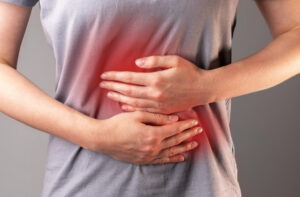
If you burp a lot or it happens often, it can be annoying, especially if you also feel bloated, have stomach discomfort, heartburn, or regurgitation. Sometimes, frequent burping is caused by daily habits, but it can also be linked to a digestive problem. Knowing when burping is normal and when it might need a closer look can help you take care of your digestive health.
Key Takeaways
- Occasional burping is normal.
- Frequent burping can have many causes, including swallowed air, fizzy drinks, and large meals.
- Other symptoms may help identify an underlying digestive issue.
- See a doctor if burping persists or occurs with concerning symptoms.
What Is a Burp?
Burping happens when air you have swallowed or that has built up in your upper digestive system comes out through your mouth. You naturally swallow a little air when you eat, drink, or talk. Your body gets rid of some of this air by burping. Burping once in a while is normal. But if you burp a lot or have other digestive symptoms, it might be a good idea to talk to a healthcare professional.
Why can NSAIDs cause gastritis or stomach ulcers?
What Causes Persistent or Excessive Burping?
There are many reasons why someone might burp often. It can be as simple as swallowing too much air or could be related to a digestive issue.
- Swallowing Too Much Air
One of the main reasons people burp a lot is because they swallow more air than usual. This is called aerophagia.
You may swallow more air when you:
- Eat or drink quickly.
- Talk while eating
- Chew gum
- Suck on hard sweets
- Drink through a straw.
- Consume carbonated drinks
- Smoke
- Breathe through your mouth.
- Snore or use a CPAP machine.
Eating more slowly and noticing which habits make you swallow extra air can help you burp less often.
- Carbonated Drinks
Fizzy drinks like soda, sparkling water, and beer have carbon dioxide in them. This extra gas can make your body need to get rid of more air.
If you notice that you burp more after drinking carbonated beverages, reducing your intake may help determine whether they are contributing to your symptoms.
- Certain Foods
Some foods can cause gas and make your stomach feel uncomfortable, which might lead to more burping.
These may include:
- Beans and lentils
- Cabbage
- Broccoli
- Cauliflower
- Onions
Food triggers are different for everyone, so it helps to notice when your symptoms happen instead of cutting out lots of foods you might not need to avoid.
- Eating Large Meals
Eating a lot of food at one time can add more air and gas to your digestive system. This is why some people feel more burping, fullness, or bloating after big meals.
If big meals seem to cause your symptoms, try eating more slowly and watching your portion sizes. Burping can also occur alongside acid reflux or gastroesophageal reflux disease (GERD).
GERD happens when stomach contents move back up into the esophagus. Burping can come with symptoms like:
- Heartburn
- Regurgitation
- A sour taste in the mouth
- Chest or upper abdominal discomfort
However, frequent burping on its own does not necessarily mean that you have GERD. Other symptoms and your overall health history are important when determining the possible cause.
- Indigestion
Indigestion, also known as dyspepsia, can cause symptoms such as fullness, bloating, nausea, and discomfort during or after eating. Frequent burping may occur alongside these symptoms.
If burping repeatedly occurs with indigestion or discomfort after meals, a healthcare professional can help determine whether there is an underlying cause.
- Gastritis
Gastritis means the lining of your stomach is inflamed. Depending on why it happens, you might have symptoms like:
- Indigestion
- Nausea or vomiting
- Upper abdominal pain
- Loss of appetite
- Feeling full quickly
Burping can happen with these symptoms, but burping alone does not mean you have gastritis.
- Other Digestive Conditions
Burping often can also happen with other digestive conditions, such as:
- Gastroparesis
- Peptic ulcers
- Lactose intolerance
- Helicobacter pylori (H. pylori) infection
- Small intestinal bacterial overgrowth (SIBO)
- Irritable bowel syndrome (IBS)
- Rumination syndrome
These conditions have different symptoms and causes. If you burp a lot, it’s important to pay attention to your other symptoms too, rather than relying on burping alone to figure out what’s wrong.
Is Persistent Burping a Sign of a Digestive Problem?
Persistent burping does not always mean there is something wrong with your digestive system. Often, frequent burping is linked to your eating habits, what you drink, or how much air you take in.
Still, noticing when and how your symptoms happen can give helpful clues.
For example:
- Burping mainly after fizzy drinks may be related to carbonated beverages.
- Burping after eating quickly may be related to swallowed air.
- Burping accompanied by heartburn may occur with acid reflux.
- Burping alongside bloating or abdominal discomfort may occur with several digestive conditions.
- If you keep burping and cannot find a clear reason, it may be a good idea to get it checked out, especially if it does not go away or starts to affect your daily life.
Since many things can cause similar symptoms, doctors do not use burping alone to diagnose a digestive problem.
How Can You Reduce Excessive Burping?
If your burping seems to be caused by swallowing air or your eating habits, you might be able to reduce it by trying the following:
- Eating and drinking more slowly
- Avoiding or limiting carbonated drinks
- Reducing chewing gum and hard sweets
- Avoiding talking while chewing
- Paying attention to foods that consistently trigger symptoms
- Avoiding very large meals
- Keeping a record of when your symptoms occur
These steps can help you figure out what triggers your burping, but they might not solve the problem if there is an underlying health issue.
Does Persistent Burping Need Treatment?
Occasional burping generally does not require treatment. If burping keeps happening, the appropriate treatment depends on what is causing it. A doctor will look at your symptoms, medical history, and other details to decide if you need more tests or treatment. If you have frequent burping along with symptoms like reflux, stomach pain, vomiting, or unexplained weight loss, it is more important to find and treat the main cause than to just focus on the burping.
When Should You See a Doctor About Persistent Burping?
You should talk to a doctor if frequent burping:
- Persists despite changes to your eating and drinking habits
- Regularly interferes with your daily activities.
- Occurs with persistent abdominal pain or discomfort
- Is accompanied by frequent heartburn or regurgitation
- Occurs alongside nausea or vomiting
- Is accompanied by unexplained weight loss
- Occurs with persistent changes in bowel habits
Get medical help right away if burping happens with severe chest pain, trouble breathing, fainting, or any other signs of a possible emergency.
Consult a Gastroenterologist
Burping is a normal way for your body to release excess air from the digestive tract. Occasional burping is usually nothing to be concerned about, but persistent or excessive burping may be associated with dietary triggers, swallowed air, reflux, indigestion, or other digestive conditions.
If frequent burping persists or is accompanied by concerning symptoms, Dr Lin Cui Li can assess your symptoms and determine whether further evaluation or treatment may be appropriate. Book a consultation with Dr Lin Cui Li to assess persistent or excessive burping.
FAQs About Painkillers and Stomach Ulcers
Is burping a sign of a healthy digestive system?
Occasional burping is a normal bodily process and does not necessarily indicate a problem with your digestive health.
How much burping is considered normal?
There is no exact number of burps that is normal for everyone. What is more important is if you are burping much more than usual, if it keeps happening, or if you notice other symptoms too.
Why am I burping so much after eating?
Eating too fast, swallowing extra air, drinking fizzy drinks, and having large meals can all make you burp more often. Sometimes, burping after eating can also happen with problems like reflux or indigestion.
Can acid reflux cause excessive burping?
Yes. Frequent burping can occur alongside acid reflux, particularly when accompanied by symptoms such as heartburn or regurgitation. However, burping alone does not confirm that you have reflux.
Can stress cause frequent burping?
Stress and anxiety can change how you breathe and swallow, which might make you swallow more air. Still, ongoing symptoms can have many different causes.
When should I see a doctor about persistent burping?
See a doctor if you keep burping often, if it starts to affect your daily life, or if you also have symptoms like stomach pain, vomiting, unexplained weight loss, or big changes in your digestion.