Most people do not think much about the colour of their stool. But if you look in the toilet and see that it is green, you might start to worry that something is wrong.
Seeing green stool is usually not serious. It often happens because of something you ate. Sometimes, it can also happen if your stool moves through your body faster than normal. Sometimes, green stool can show up with diarrhoea, an infection, or another digestive problem. So what does it mean, and when should you worry?
Key Takeaways
- Green stool is often linked to food, food colouring or faster digestion.
- Bile can turn stool green when it moves through the gut quickly.
- Green stool with persistent diarrhoea or other symptoms may need medical assessment.
- Seek medical attention for blood in the stool, black tarry stool or signs of severe dehydration.
What does green stool mean?
Stool colour can change from day to day. Brown is the most common colour, but sometimes stool can look green even if there is no health problem. One reason is bile, a yellow-green fluid made by your liver to help digest fats. As it moves through your body, it slowly changes colour and usually turns brown.
If stool moves through your intestines too quickly, the bile does not have time to turn brown. This can make your stool look green or yellow-green. Food can also change the colour of your stool. Some vegetables, fruits, drinks, or food colourings can make your stool look green for a short time.
Why is my poop green?
Many causes of green stool do not last long.
1. You have eaten green foods
What you eat is one of the main reasons your stool might suddenly change colour.
Leafy green vegetables like spinach, kale, and broccoli have chlorophyll, which makes them green. Eating a lot of these foods can sometimes make your stool look green too.
Other foods that may contribute to green stool include:
- Green fruits and vegetables
- Parsley, basil and coriander
- Matcha
- Pistachios
- Blue or purple fruits and vegetables
If food is the reason, your stool will usually go back to its normal colour once the food has passed through your body.
2. Food colouring may be responsible
Brightly coloured foods and drinks can also change stool colour.
Green food colouring may produce green stool, while blue or purple colouring can sometimes appear green after mixing with the naturally yellow-green colour of bile.
If you have eaten brightly coloured sweets, desserts, or drinks lately, this could be the reason for the change.
3. Your digestive system is moving food quickly
Green stool can also happen if food moves through your body faster than normal.
This is particularly common with diarrhoea. Because bile has less time to break down and change colour, it may leave the body green.
A short episode of diarrhoea can happen because of dietary changes, temporary digestive upset or an infection.
4. Medication may affect your bowel movements
Some medicines can affect how your body digests food and how your bowels work.
For example, antibiotics can change the bacteria in your gut. They can also cause diarrhoea in some people, which might make stool look green.
If you notice ongoing changes in your bowel movements after starting a medicine, talk to your doctor or pharmacist. Do not stop taking your medicine without checking first.
5. An infection may be causing diarrhoea
Green stool can sometimes happen if you have an infection in your gut.
Bacterial, viral, or parasite infections can cause diarrhoea. This can make bile move through your body faster.
Depending on the cause, you may also experience:
- Frequent or watery diarrhoea
- Abdominal cramps
- Fever
- Nausea
- Vomiting
- Feeling generally unwell
Green stool alone does not mean you have an infection. Other symptoms and how you feel overall are important too.
Can digestive conditions cause green stool?
Some gut conditions can change your bowel movements and sometimes cause green stool, especially if you have diarrhoea. These include conditions such as irritable bowel syndrome (IBS), Crohn’s disease and ulcerative colitis.
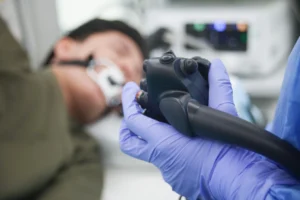
Green stool does not mean you have one of these conditions. Doctors consider stool colour alongside other symptoms, your medical history and, where appropriate, further tests. If you have ongoing diarrhoea, recurring abdominal pain, persistent changes in bowel habits or unexplained weight loss, it is worth speaking with a healthcare professional.
How long does green stool last?
If your green stool is because of something you ate or drank, it will usually go back to normal in a day or two. If the colour change lasts more than three days, keeps coming back for no clear reason, or happens with other symptoms, you should ask a doctor for advice. The colour of your stool is just one thing to notice. It also helps to pay attention to other changes in your bowel movements and how you feel in general.
When should I see a doctor about green stool?
If you feel well, one episode of green stool usually does not need medical attention.
But you should talk to a healthcare professional if the colour change does not go away or comes with:
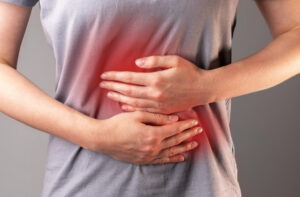
- Persistent or severe abdominal pain
- Ongoing diarrhoea
- Fever
- Repeated vomiting
- Unexplained weight loss
- Blood in the stool
- Black, tarry stool
- Signs of dehydration, such as dizziness, a very dry mouth or passing very little urine
Bright red blood in your stool or black, tar-like stool can mean there is bleeding in your digestive tract. This should be checked by a doctor as soon as possible. If you are not sure about a change in your bowel movements that does not go away, it is a good idea to ask a doctor.
What about green stool in babies and children?
Babies and children can also have green stool. What they eat, how they are fed, and how fast food moves through their body can all change the colour. Green stool by itself does not always mean a child is sick. But if there is ongoing diarrhoea, vomiting, fever, unusual sleepiness, or signs of dehydration, a healthcare professional should check them.
So, should I be worried about green stool?
Most of the time, green stool is temporary and has a simple cause, like something you ate or food moving quickly through your body. If you feel fine and your stool goes back to its normal colour soon, you probably do not need to worry. But if the colour stays the same, or you have other symptoms such as stomach pain, ongoing diarrhoea, fever, vomiting, or bleeding, a doctor can help find out why.
Speak to a Gastroenterologist at GastroClinic
If you have noticed persistent or unexplained changes in your bowel movements, consult Dr Lin Cui Li for an assessment. She can evaluate symptoms, medical history, and digestive health to help identify possible causes and recommend appropriate next steps. Book a consultation with Dr Lin Cui Li to assess persistent changes in your bowel habits.
Frequently Asked Questions About Green Stool
Is green stool normal?
It’s usually normal to have green stool once in a while, especially if you feel fine. Eating certain foods, food colouring, or when things move quickly through your gut can all make your stool look green.
What foods can make your poop green?
Green vegetables like spinach, kale, broccoli, and herbs can make your stool look green because of their natural colour. Eating foods with green, blue, or purple colouring can also change the colour of your stool.
Is green poop a sign of an infection?
It can be, particularly when green stool occurs with diarrhoea, abdominal cramps, fever, nausea or vomiting. However, green stool alone does not necessarily mean you have an infection.
How long should green stool last?
If green stool is related to food or food colouring, it will often return to its usual colour within a day or two. If it lasts for more than three days or keeps recurring without an obvious explanation, consider speaking with a healthcare professional.
Can diarrhoea cause green stool?
Yes. When you have diarrhoea, things move quickly through your gut. Bile, which starts out green, might not have time to turn brown, so your stool can look green or yellow-green.
Should I be worried if my stool is green but I feel fine?
If you feel fine and your stool is only green for a short time, it’s usually nothing to worry about. Try to remember if you ate green foods or foods with colouring, and see if things go back to normal.
When should I see a doctor about green stool?
See a doctor if your stool stays green for more than three days, or if you also have ongoing diarrhoea, stomach pain, fever, vomiting that keeps coming back, or if you lose weight without knowing why.
Is black or red stool more concerning than green stool?
Red or black stool can sometimes mean there is bleeding in your digestive system. If you see bright red blood or your stool looks black and sticky, see a doctor right away, especially if you feel sick or have other symptoms.
Can medication cause green stool?
Some medications, including antibiotics, can affect digestion or alter gut bacteria. They may also cause diarrhoea, which can result in greenish stool. If you notice persistent bowel changes after starting medication, speak with a doctor or pharmacist.
Can green stool be a sign of a digestive condition?
Some gut conditions, like IBS, Crohn’s disease, or ulcerative colitis, can change your bowel movements and sometimes cause green stool. But green stool alone isn’t enough to say you have one of these problems.