You may not realise that your liver is accumulating excess fat, especially if you feel generally well. Fatty liver disease often develops without noticeable symptoms, which means you could have the condition without knowing it.
However, some people experience symptoms such as persistent tiredness, nausea or discomfort in the upper right side of the abdomen. Recognising these possible signs and understanding your risk factors can help you decide when to seek medical advice.
Here is what you should know about the early signs of fatty liver disease, how the condition is detected and when further assessment may be necessary.
What Is Fatty Liver Disease?
Fatty liver disease occurs when excess fat accumulates in the liver. One common form is metabolic dysfunction-associated steatotic liver disease (MASLD), previously known as non-alcoholic fatty liver disease (NAFLD).
MASLD is associated with metabolic risk factors such as excess body weight, insulin resistance, type 2 diabetes, high cholesterol and high blood pressure. Fatty liver disease can also be associated with excessive alcohol consumption, although this falls under a different classification.
In some people, fat accumulation remains relatively mild. In others, it can be accompanied by inflammation and liver cell damage, known as metabolic dysfunction-associated steatohepatitis (MASH). Over time, this may lead to fibrosis (liver scarring), cirrhosis and impaired liver function.
What Are the Early Signs of Fatty Liver Disease?
One of the challenges with fatty liver disease is that its early stages may not produce clear symptoms. Many people discover they have the condition through routine blood tests or abdominal imaging performed for another reason.
When symptoms do occur, they may include:
1. Persistent Tiredness
Feeling unusually tired or lacking energy may be one of the symptoms experienced by people with fatty liver disease.
However, fatigue is not specific to liver problems. Sleep disturbances, anaemia, thyroid conditions and other health issues can also cause persistent tiredness.
If you regularly feel fatigued without an obvious explanation, consider discussing it with a doctor rather than assuming it is related to your liver.
2. Discomfort in the Upper Right Abdomen
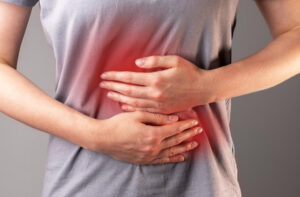
Some people experience a dull ache, pressure or discomfort in the upper right part of the abdomen, where the liver is located.
This may sometimes be associated with liver enlargement. However, abdominal discomfort can have several other causes, including digestive conditions involving the stomach, gallbladder or intestines.
Persistent or recurring discomfort should be assessed to determine its underlying cause.
3. Nausea or a General Feeling of Being Unwell
Nausea and a general sense of feeling unwell have also been reported in some people with fatty liver disease.
These symptoms are not reliable indicators of fatty liver on their own. They may be related to gastrointestinal conditions, infections, medication effects or other medical concerns.
If nausea persists or occurs alongside other symptoms, a medical assessment can help establish whether further investigations are needed.
4. No Noticeable Symptoms
Although it may seem unusual, having no symptoms is common in the early stages of fatty liver disease.
You may continue with your usual activities without experiencing pain, digestive problems or changes in your energy levels. The condition may only be identified when blood tests show abnormal liver enzyme levels or an imaging examination reveals excess fat in the liver.
This is why the absence of symptoms does not necessarily mean your liver is healthy.
Who Is at Risk of Developing Fatty Liver Disease?
Certain health and lifestyle factors can increase your likelihood of developing fatty liver disease.
These include:
- Overweight or obesity: Excess body fat, particularly around the abdomen, is associated with an increased risk of fat accumulation in the liver.
- Type 2 diabetes: Insulin resistance and elevated blood glucose levels are closely associated with MASLD.
- High cholesterol or triglycerides: Abnormal blood lipid levels may contribute to metabolic disturbances linked to fatty liver.
- High blood pressure: Hypertension is commonly associated with other metabolic risk factors.
- Physical inactivity: Limited physical activity may contribute to excess weight and insulin resistance.
- Unhealthy dietary habits: Frequent consumption of highly processed foods, sugary drinks and foods high in saturated fat may contribute to metabolic risk.
You do not need to have every risk factor to develop fatty liver disease. People who are not overweight can also develop the condition.
How Is Fatty Liver Disease Diagnosed?
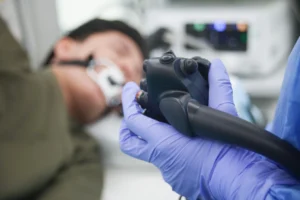
Since fatty liver disease may not cause noticeable symptoms, doctors use medical assessments and investigations to evaluate liver health.
Depending on your medical history and individual circumstances, these may include:
Medical history and physical examination: Your doctor may ask about your medical conditions, weight changes, alcohol consumption, medications and lifestyle habits.
Blood tests: Liver function tests may measure enzymes such as alanine aminotransferase (ALT) and aspartate aminotransferase (AST). Abnormal results can indicate possible liver injury, although normal results do not completely rule out fatty liver disease.
Abdominal ultrasound: This imaging examination can help identify excess fat in the liver and assess its appearance.
Fibrosis assessment: Additional non-invasive tests, such as FibroScan or other liver stiffness measurements, may be recommended to evaluate possible liver scarring.
Not everyone requires the same investigations. Your doctor will determine which tests are appropriate based on your risk factors and initial findings.
When Should You See a Doctor?
Consider arranging a medical consultation if you have persistent fatigue, recurring discomfort in the upper right abdomen or known metabolic risk factors such as diabetes, high cholesterol or obesity.
You should also discuss unexpected abnormalities in your liver blood test results, even if you do not feel unwell.
Certain symptoms may indicate more advanced liver disease and require prompt medical attention. These include yellowing of the skin or eyes (jaundice), abdominal swelling, unexplained bleeding or bruising, and confusion.
Seek urgent medical attention if you experience confusion, significant bleeding or other severe symptoms.
Frequently Asked Questions
Can you have fatty liver disease without symptoms?
Yes. Many people with fatty liver disease do not experience noticeable symptoms, particularly during the early stages. The condition may be discovered through blood tests or imaging examinations.
Can fatty liver disease cause abdominal pain?
Some people experience discomfort in the upper right abdomen. However, abdominal pain can have several causes and does not necessarily indicate fatty liver disease. A medical assessment can help identify the cause.
Can fatty liver disease be detected through a blood test?
Blood tests can identify abnormal liver enzyme levels, which may suggest liver injury. However, they cannot confirm fatty liver disease on their own. Imaging examinations and other investigations may be needed.
Speak to a Doctor About Your Liver Health
Fatty liver disease can develop without obvious warning signs, making it difficult to recognise through symptoms alone. If you have metabolic risk factors, persistent unexplained symptoms or abnormal liver test results, consider seeking medical advice.
At Gastroclinic, you can consult Dr Lin Cui Li to discuss your symptoms, medical history and concerns about your digestive and liver health. Depending on your circumstances, further investigations may be recommended to assess your liver and determine the appropriate next steps.
Contact Gastroclinic to arrange a consultation with Dr Lin Cui Li and discuss your liver health.