Key Pointers:
- Persistent gastric pain may point to ulcers, gastritis, or acid-related inflammation.
- Endoscopy allows doctors to view the stomach lining directly and detect bleeding, infection, or tissue changes.
- The test can identify causes that other imaging may miss, such as Helicobacter pylori infection or early erosions.
- Biopsies can be taken safely during the procedure for more accurate diagnosis.
Early evaluation helps prevent complications and supports effective treatment planning.
When Does Gastric Pain Become a Concern?
Occasional stomach discomfort after a heavy meal is common, but pain that keeps coming back or worsens over time should not be ignored.
Chronic gastric pain may feel like:
- A burning sensation in the upper abdomen
- Bloating or early fullness after meals
- Nausea or loss of appetite
- Pain that improves or worsens after eating
When these symptoms persist for weeks despite lifestyle changes or medication, it’s time for a detailed assessment.
What Can an Endoscopy Detect in the Stomach?
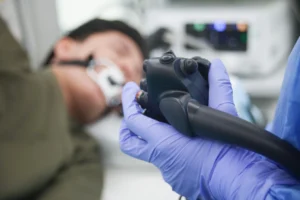
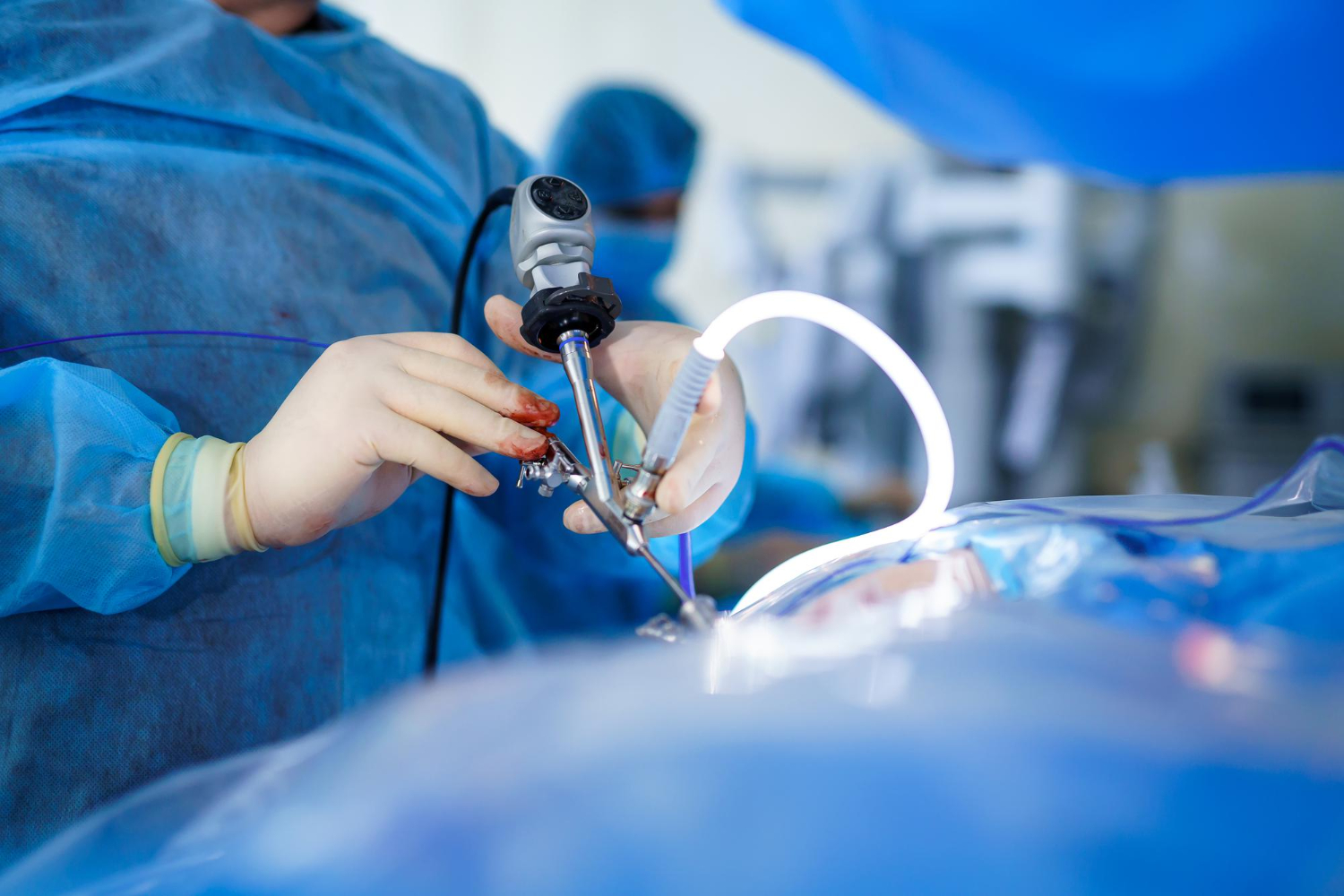
An endoscopy (also called a gastroscopy) uses a thin, flexible tube with a small camera to examine the oesophagus, stomach, and upper small intestine. It helps your doctor look for abnormalities that could be causing pain or discomfort.
1. Ulcers and Erosions
2. Gastritis (Stomach Lining Inflammation)
3. Bleeding or Hidden Blood Loss
4. Infection with Helicobacter Pylori
A biopsy can confirm whether this bacteria, a common cause of ulcers and chronic gastritis, is present.
5. Polyps or Abnormal Tissue Growths
Small polyps or suspicious lesions can be removed or sampled for testing to ensure they are non-cancerous.
What Happens During an Endoscopy?
- You’ll need to fast for several hours before the procedure.
- A mild sedative keeps you comfortable.
- The scope is gently guided through the mouth into the stomach, where real-time images are viewed on a monitor.
- The entire procedure usually takes 7–10 minutes.
Afterward, you’ll rest briefly until the sedation wears off and can usually go home the same day.
Is Endoscopy Safe?
Yes. Endoscopy is a commonly performed and generally safe procedure. Minor side effects such as a dry throat or temporary bloating may occur. Complications are rare, and your doctor will explain the safety measures beforehand.
What Happens After the Test?
If ulcers, inflammation, or infection are found, your gastroenterologist will discuss a treatment plan that may include:
- Medication to reduce acid or eliminate H. pylori infection
- Dietary adjustments to avoid spicy, oily, or acidic foods
- Follow-up endoscopy if symptoms persist or tissue needs re-evaluation
Regular follow-up ensures healing and helps prevent recurrence.
FAQs About Endoscopy for Gastric Pain
- How do I know if I need an endoscopy? If you have ongoing upper-abdominal pain, nausea, or unexplained bloating that does not improve with medication, your doctor may suggest an endoscopy.
- Will I feel pain during the procedure? No. Sedation keeps you relaxed and comfortable throughout.
- Can endoscopy detect stomach cancer? Endoscopy can identify suspicious lesions, and biopsies can confirm whether abnormal cells are present.
- How should I prepare for my appointment? You’ll be asked not to eat or drink for several hours and to inform your doctor of any medications or allergies.
- What if the results are normal? A normal result helps rule out serious issues. Your doctor may then explore other causes such as functional dyspepsia or reflux-related discomfort.
Concerned About Persistent Gastric Pain?
Don’t Ignore the Signs. Find Out What’s Happening Inside Your Stomach
If you’ve been living with ongoing gastric pain, an endoscopy can help uncover the cause and guide the right treatment before symptoms worsen.
At GastroClinic, Dr Lin Cui Li, American Board-Certified Gastroenterologist and Hepatologist, provides comprehensive assessment for patients with persistent stomach pain, ulcers, reflux, or digestive discomfort.
- 3 Mount Elizabeth, #06-10, Mount Elizabeth Medical Centre, Singapore 228510
- Call us at 6443 8166
- WhatsApp 8040 7375
- Book an Appointment
Understand your gastric symptoms, schedule your consultation with Dr Lin Cui Li at GastroClinic today.