Key pointers at a glance:
- Abdominal pain can range from mild bloating to sharp, severe discomfort.
- Common causes include indigestion, ulcers, inflammation, or gallbladder and liver issues.
- An endoscopy helps doctors look inside the digestive tract to identify the root cause.
- The procedure can detect ulcers, gastritis, reflux, polyps, and infections.
- Persistent or unexplained abdominal pain should always be reviewed by a specialist.
Almost everyone experiences stomach or abdominal pain at some point. It might feel like cramping, dull aches, or sharp twinges, depending on what’s causing it.
While occasional pain after a heavy meal or minor stomach upset is common, frequent or lingering pain could point to an underlying digestive condition.
Common Causes of Abdominal Pain
Abdominal pain may come from different parts of the digestive system, from the oesophagus and stomach to the intestines, liver, or gallbladder. Here are some possible reasons:
1. Indigestion and Acid Reflux
When stomach acid backs up into the oesophagus or digestion slows after large meals, it can cause burning or bloating.
2. Gastritis or Stomach Ulcers
Inflammation of the stomach lining or ulcers can cause pain that worsens on an empty stomach.
3. Gallbladder Problems
Gallstones or bile duct blockages can trigger sharp, upper-abdominal pain, often after fatty meals.
4. Intestinal Conditions
Irritable bowel syndrome (IBS), infection, or inflammation in the small or large intestine may lead to cramps, diarrhoea, or bloating.
5. Liver or Pancreatic Disorders
When these organs become inflamed or diseased, the pain may radiate across the upper abdomen or to the back.
If the pain is sudden, severe, or associated with vomiting, fever, or blood in the stool, it’s important to seek medical care promptly.
How Doctors Investigate Abdominal Pain
To find out what’s causing ongoing abdominal pain, your doctor may recommend several tests, including blood work, imaging (like ultrasound or CT scans), or an endoscopy.
What Is an Endoscopy?
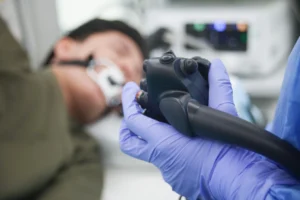
An endoscopy is a minimally invasive procedure that allows doctors to look directly inside the upper part of your digestive tract using a thin, flexible tube with a camera.
It helps identify conditions that may not show up on external scans or X-rays.
The procedure is typically used to examine the oesophagus, stomach, and duodenum (the first part of the small intestine).
What Does an Endoscopy Check For?
1. Ulcers and Inflammation
Endoscopy can reveal sores, erosions, or red patches in the stomach or duodenum that may explain persistent pain or indigestion.
2. Gastritis and Acid-Related Conditions
It can detect inflammation caused by excess acid, bile reflux, or infection.
3. Polyps or Growths
Small tissue growths called polyps may be removed during the procedure for testing. Detecting and removing them early helps prevent complications later.
4. Infections, Including Helicobacter Pylori
A biopsy can confirm whether H. pylori, a common stomach infection linked to ulcers and gastritis, is present.
5. Structural Problems
An endoscopy can identify narrowing, scarring, or other abnormalities affecting digestion or swallowing.
What to Expect During an Endoscopy
- You’ll be asked not to eat or drink for a few hours before the procedure.
- Sedation is given to ensure comfort.
- The scope is gently inserted through the mouth, allowing the doctor to view and capture images of the digestive tract.
- The procedure usually lasts around 15–30 minutes, and patients can go home the same day.
It’s quick, safe, and provides valuable information for accurate diagnosis and treatment planning.
When to See a Gastroenterologist
See a specialist if your abdominal pain:
- Persists for more than a few days
- Comes with nausea, vomiting, or changes in bowel habits
- Occurs frequently after eating
- Is accompanied by blood in stool or dark-coloured stool
- Causes unexplained weight loss or fatigue
Early evaluation helps ensure that underlying conditions, whether mild or serious, are detected and treated promptly.
FAQs About Abdominal Pain and Endoscopy
1. Is an endoscopy painful? No, the procedure is not painful. Sedation is used to keep patients comfortable, and most only feel mild throat soreness after.
2. Can I eat after the endoscopy? You can usually eat light meals after the sedation wears off, unless your doctor advises otherwise.
3. What if my endoscopy results are normal? Even if no abnormalities are found, the test helps rule out serious conditions and allows your doctor to explore other possible causes of pain.
4. How should I prepare for my appointment? Follow your doctor’s fasting instructions, and let them know if you’re taking blood thinners or other medications.
Get Clarity on Your Abdominal Pain
If you’ve been living with ongoing stomach or abdominal discomfort, getting to the root cause is the first step toward relief.
At GastroClinic, Dr Lin Cui Li, American Board-Certified Gastroenterologist and Hepatologist, provides comprehensive assessment and care for patients with digestive symptoms such as abdominal pain, bloating, reflux, and changes in bowel habits. Endoscopy and other diagnostic tools are recommended only when clinically necessary to ensure accurate diagnosis and appropriate treatment.
- 3 Mount Elizabeth, #06-10, Mount Elizabeth Medical Centre, Singapore 228510
- Call us at 6443 8166
- WhatsApp 8040 7375
- Book an Appointment
Don’t ignore persistent abdominal pain. Speak to our team at GastroClinic and get a professional evaluation to understand what’s happening inside your digestive system.