Chinese New Year often means steamboat dinners, pineapple tarts, bak kwa, rich sauces, and long evenings of visiting.
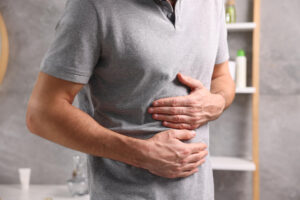
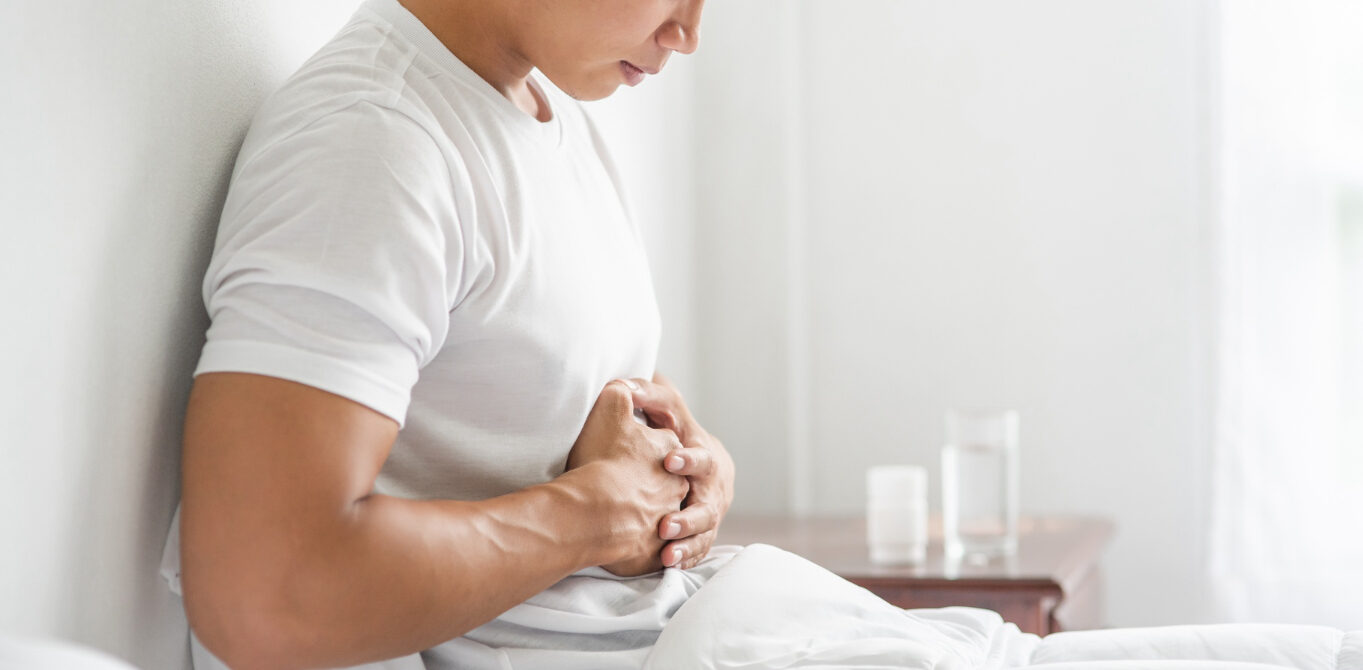
If you’ve been feeling unusually bloated after reunion meals, you’re not alone.
For many people, bloating during festive seasons is temporary. But in some cases, persistent bloating may signal an underlying digestive condition that should be assessed by a gastroenterologist.
Here’s how to tell the difference.
Quick Key Pointers
- Mild bloating after large or fatty meals is common.
- Festive foods high in salt, sugar, and oil can slow digestion.
- Persistent bloating lasting weeks is not considered normal.
- Bloating with weight loss, blood in stool, or persistent abdominal pain should be reviewed.
- Investigations such as endoscopy or colonoscopy may be recommended if symptoms persist.
Why Do I Feel Bloated After Chinese New Year Meals?
Bloating happens when your digestive system becomes temporarily overloaded.
Common festive triggers include:
1. Large Portions
Eating more than usual stretches the stomach and slows digestion.
2. Fatty and Fried Foods
High-fat foods take longer to digest, which may cause fullness and discomfort.
3. Sugary Snacks
Excess sugar may increase gas production in the intestines.
4. Carbonated and Alcoholic Drinks
These introduce more gas into the digestive tract.
5. Disrupted Routine
Late nights and irregular meal times can affect normal bowel movements.
In most cases, this type of bloating improves within a few days once regular eating habits resume.
When Is Bloating Considered “Not Normal”?
Occasional bloating is common.
However, you should consider medical review if you experience:
- Bloating lasting more than 2–3 weeks
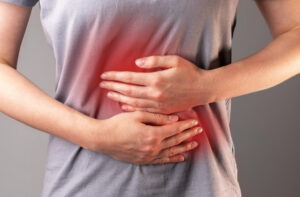
- Persistent abdominal pain
- Unexplained weight loss
- Change in bowel habits (diarrhoea or constipation)
- Blood in the stool
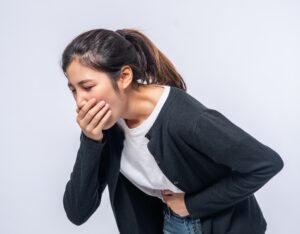
- Ongoing nausea or vomiting
Persistent symptoms may indicate conditions involving the stomach, intestines, liver, biliary system, or pancreas.
What Digestive Conditions Can Cause Ongoing Bloating?
Persistent bloating may be associated with:
Irritable Bowel Syndrome (IBS)
Often linked with alternating diarrhoea and constipation.
Gastritis or Stomach Inflammation
May cause upper abdominal discomfort and fullness.
Helicobacter pylori Infection
A bacterial infection that can affect the stomach lining.
Food Intolerance
Lactose or other food sensitivities may lead to gas and bloating.
Colon Polyps or Other Structural Conditions
Less common, but important to exclude in certain age groups or risk profiles.
What Tests Might Be Recommended for Persistent Bloating?
Depending on your symptoms and medical history, investigations may include:
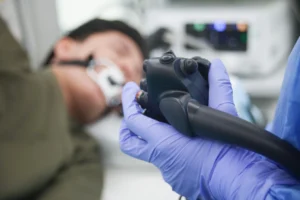
Upper Endoscopy (Gastroscopy)
Examines the oesophagus, stomach, and duodenum.
Colonoscopy
Evaluates the colon and rectum, especially if there are changes in bowel habits or bleeding.
H. Pylori Testing
Checks for bacterial infection in the stomach.
Blood Tests or Imaging
To assess liver, pancreas, and other abdominal organs if indicated.
A consultation allows your doctor to determine which investigations are appropriate.
How Can I Reduce Bloating During Festive Periods?
Simple measures include:
- Eating smaller portions
- Chewing food slowly
- Staying hydrated
- Including vegetables and fibre
- Limiting excessive alcohol
- Returning to regular meal timing after celebrations
If symptoms do not settle, it is advisable to seek medical advice.
Frequently Asked Questions
1. Is bloating after overeating normal?
Yes, temporary bloating after large or fatty meals is common and usually resolves within a few days.
2. How long should bloating last before I see a doctor?
If bloating persists beyond two to three weeks, or is accompanied by other concerning symptoms, medical review is recommended.
3. Can stress during festive gatherings cause bloating?
Yes, stress can affect gut motility and contribute to bloating in some individuals.
4. Does bloating always mean something serious?
Not necessarily. However, persistent or worsening symptoms should be assessed to exclude underlying conditions.
5. Should I consider a colonoscopy if I feel bloated?
A colonoscopy may be recommended if you have additional symptoms such as rectal bleeding, changes in bowel habits, or if you are due for colorectal cancer screening.
Concerned About Persistent Bloating?
Occasional discomfort after festive meals is common. But ongoing bloating, pain, or changes in bowel habits should not be ignored.
If you are experiencing persistent digestive symptoms, consider seeking medical advice.
Dr Lin Cui Li, Gastroenterologist at GastroClinic, is available for consultation at Mount Elizabeth Medical Centre.
- 3 Mount Elizabeth, #06-10, Mount Elizabeth Medical Centre, Singapore 228510
- Call us at 6443 8166
- WhatsApp 8040 7375
Concerned about persistent bloating or abdominal discomfort? Book a consultation to discuss your symptoms.