Key Points
- Gastroscopy is not needed for all stomach pain or reflux.
- It is considered when symptoms are persistent, worsening, or associated with warning signs.
- Difficulty swallowing, unexplained weight loss, or anaemia may prompt earlier evaluation.
- The decision depends on age, symptom pattern, and risk factors.
- A consultation helps determine whether endoscopy is appropriate.
Stomach discomfort and acid reflux are common. Many people experience occasional heartburn or upper abdominal pain that settles with time or simple adjustments. But sometimes, symptoms linger or feel different from usual. That’s when the question comes up:
Do I need a gastroscopy?
The answer depends on how your symptoms behave and whether there are features that require closer assessment.
What is a gastroscopy, and what does it check for?
A gastroscopy, also called an upper endoscopy, allows a doctor to examine the lining of the:
- Oesophagus
- Stomach
- Upper small intestine (duodenum)
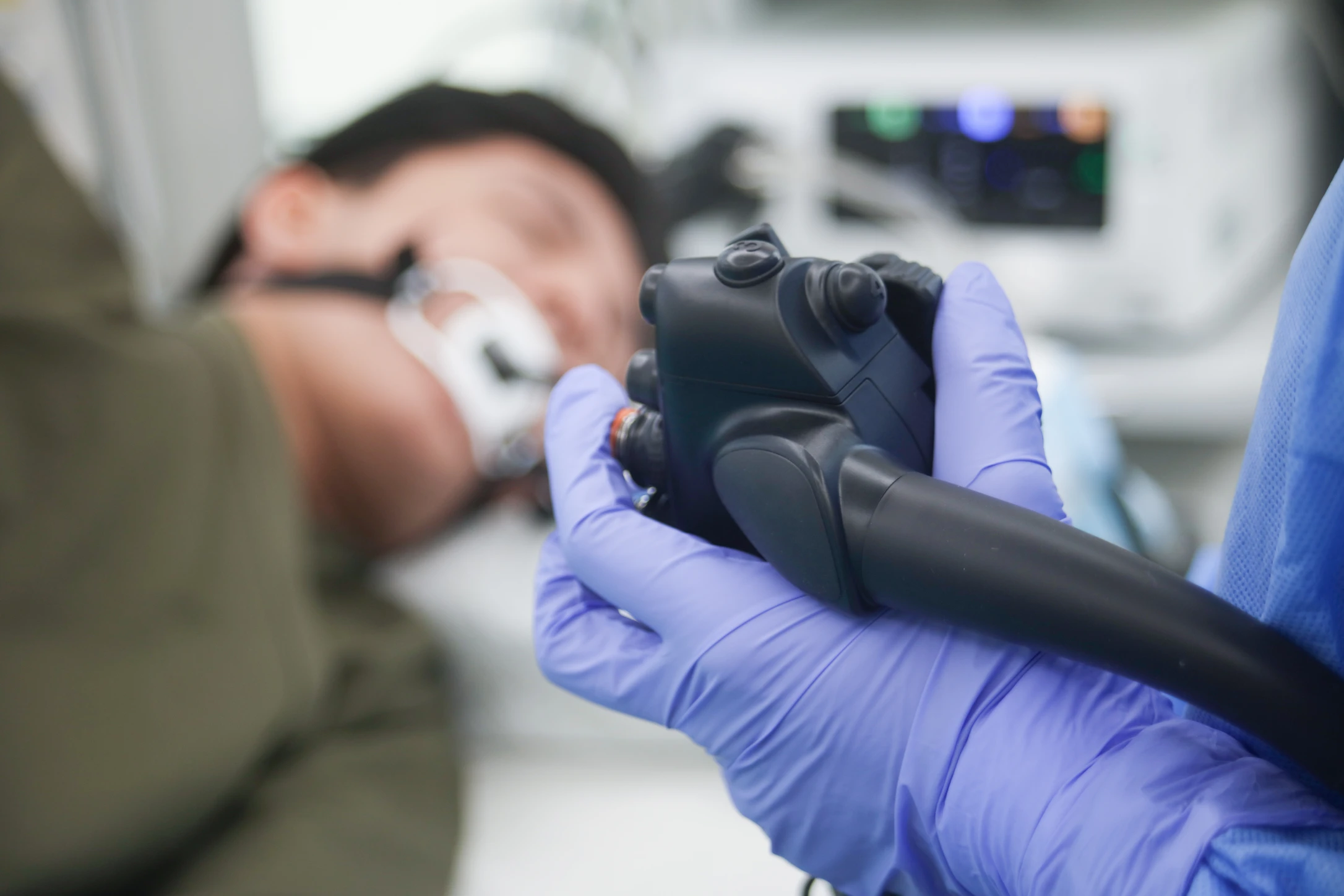
A thin, flexible tube with a camera is passed gently through the mouth under sedation. It helps identify inflammation, ulcers, structural changes, or other abnormalities.
Biopsies may be taken if needed for further evaluation.
Is gastroscopy needed for all stomach pain?
No. Short-term or mild stomach discomfort does not usually require endoscopy.
Gastroscopy may be considered if stomach pain:
- Persists despite initial treatment
- Keeps returning
- Worsens over time
- Is associated with other concerning symptoms
The goal is to investigate when symptoms suggest something beyond simple irritation.
When should gastroscopy be done for acid reflux?
Most acid reflux improves with lifestyle adjustments or medication. However, gastroscopy may be recommended if reflux:
- Is frequent or long-standing
- Does not improve despite treatment
- Is associated with difficulty swallowing
- Causes persistent chest discomfort
- Occurs with unexplained weight loss or anaemia
In these situations, the test helps assess for inflammation or complications.
What are the “alarm symptoms” that require urgent evaluation?
Doctors may recommend gastroscopy more promptly if you experience:
- Difficulty swallowing or food getting stuck
- Vomiting blood or passing black stools
- Persistent vomiting
- Unexplained weight loss
- Iron-deficiency anaemia
- New upper digestive symptoms after age 40
These symptoms warrant careful assessment.
Does age affect whether gastroscopy is recommended?
Yes. New-onset stomach pain or reflux in adults over 40 may be evaluated more thoroughly, especially if accompanied by additional symptoms or risk factors.
Age alone does not automatically mean endoscopy is required, but it is part of the overall assessment.
What if symptoms improve with medication?
If symptoms resolve completely and no warning signs are present, gastroscopy may not be necessary.
However, recurring symptoms after stopping medication may prompt further discussion about evaluation.
Is gastroscopy painful?
Gastroscopy is usually performed with sedation to improve comfort. Most patients tolerate it well and have little memory of the procedure.
FAQs About Gastroscopy for Stomach Pain or Reflux
1. Does heartburn always require gastroscopy?
No. Occasional or mild heartburn does not usually require endoscopy unless symptoms persist or are accompanied by warning signs.
2. Can I try medication before having a gastroscopy?
Yes. Many patients are treated first, depending on symptoms and risk profile.
3. What conditions can gastroscopy detect?
Gastroscopy can identify ulcers, inflammation, reflux-related changes, and structural abnormalities.
4. How long does the procedure take?
The procedure itself typically takes about 10 minutes, with additional time for preparation and recovery.
5. Who decides if I need a gastroscopy?
A gastroenterologist evaluates your symptoms, age, medical history, and risk factors before recommending the procedure.
When Should You Speak to a Gastroenterologist?
If stomach pain or reflux symptoms are persistent, worsening, or associated with warning signs, a consultation can help determine whether gastroscopy or other investigations are appropriate.
At GastroClinic, evaluation is provided by Dr Lin Cui Li, based on individual symptoms and clinical assessment.
Ongoing Stomach Pain or Reflux? Don’t Ignore It.
Persistent upper digestive symptoms deserve proper evaluation, not guesswork.
If you are unsure whether gastroscopy is necessary, booking a consultation allows you to discuss your symptoms and next steps in a structured, careful setting.
Book an appointment with GastroClinic to speak to Dr Lin Cui Li about your symptoms.